

History of the Museum of Commerce and Industry of Salamanca
The Museum of Commerce and Industry was created thanks to the confluence of efforts made by citizens, merchants, and public institutions of the city.
Its precedent was the series of exhibitions held by the Official Chamber of Commerce in the mid-nineties. At that time, the idea of creating a museum about the history of local commerce and industry began to be considered.
The Building
Following the prevailing hygienist ideas from the 19th century onwards, in 1875, the Salamanca City Council approved the construction of the city's first water supply system. Water was collected from the Tormes river as it passed through La Aldehuela and elevated with a steam engine to the reservoir built on the San Mamés hill. Once settled and treated with chlorine, the water was carried to the city center through a 20-centimeter diameter pipe. That first cistern is today the home of the Museum of Commerce.
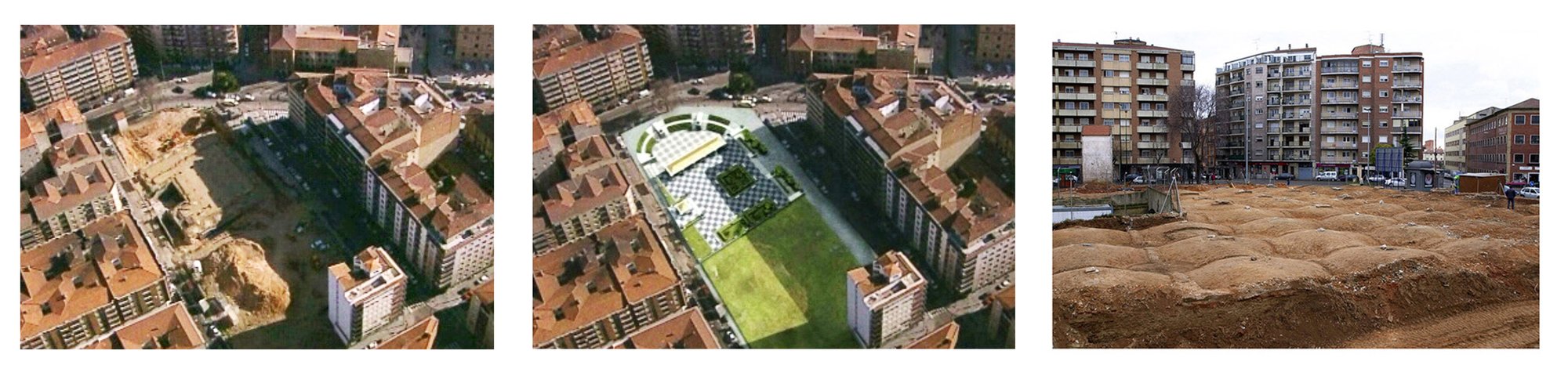
This first supply system was in service until it was decided to build an extensive network capable of meeting the needs of a growing population. The new reservoir was an important, honest, and elevated engineering work. The reinforced concrete cistern and its respective sewerage network were designed by architect Santigo Madrigal (1878-1932).
The structure was 27.50 m. high and had a capacity of 4,020 m³.
The elevated water reservoir of El Rollo was in operation for much of the 20th century. In 2002, already disused, it was demolished by municipal decision.
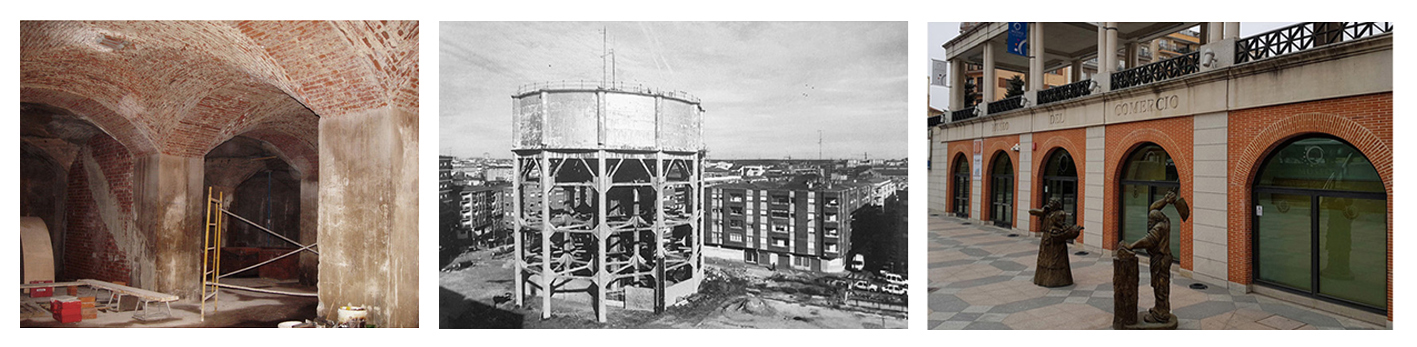
The Museum
Promoted by the Hon. City Council of Salamanca and by the Official Chamber of Commerce, the museum opened its doors in early 2006 with the mission of researching, conserving, and disseminating relevant aspects of Salamanca's industry and commerce.
The museum is legally and administratively dependent on the Society of Tourism, Commerce and Economic Promotion of Salamanca, S.A.U., and has signed collaboration agreements with Salamanca entities for the better achievement of its objectives.
