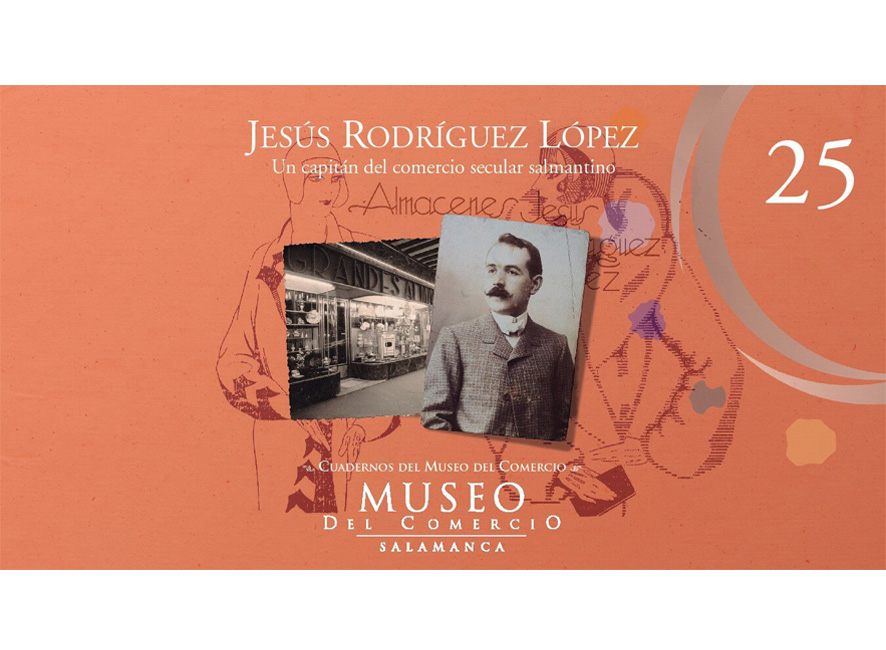
Jesús Rodríguez López is one of those businesses that, despite having closed its doors many years ago, remains in the collective memory of the city.
It had its doors open for almost a hundred years. Located right in the Plaza Mayor, it was one of the most famous department stores and per...
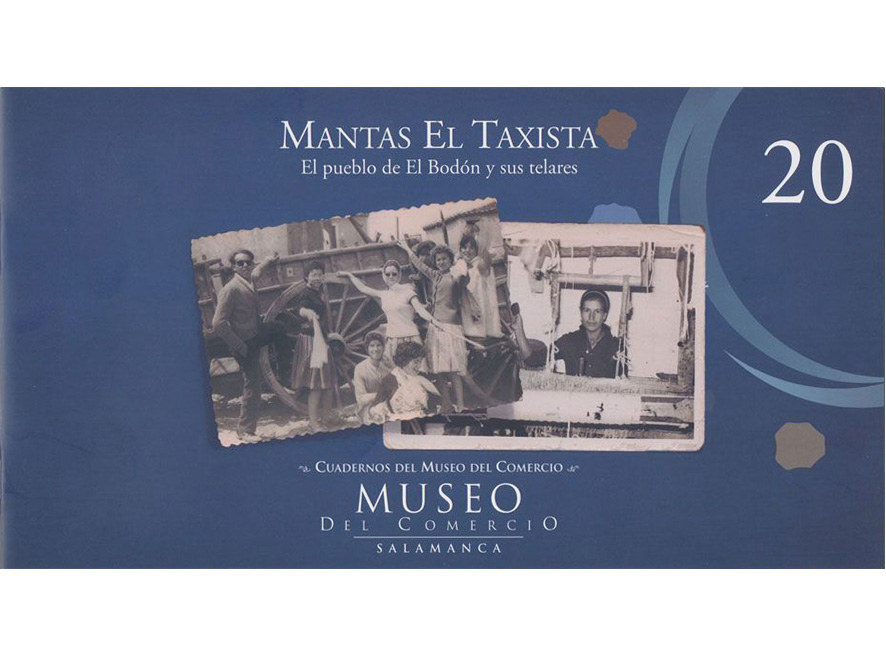
This new volume in the collection of monographs on the History of Commerce and Industry in Salamanca is dedicated to a craft business, located far from the capital, in a small village in the Ciudad Rodrigo region: El Bodón. Its inclusion in a collection primarily focused on the city's former busines...
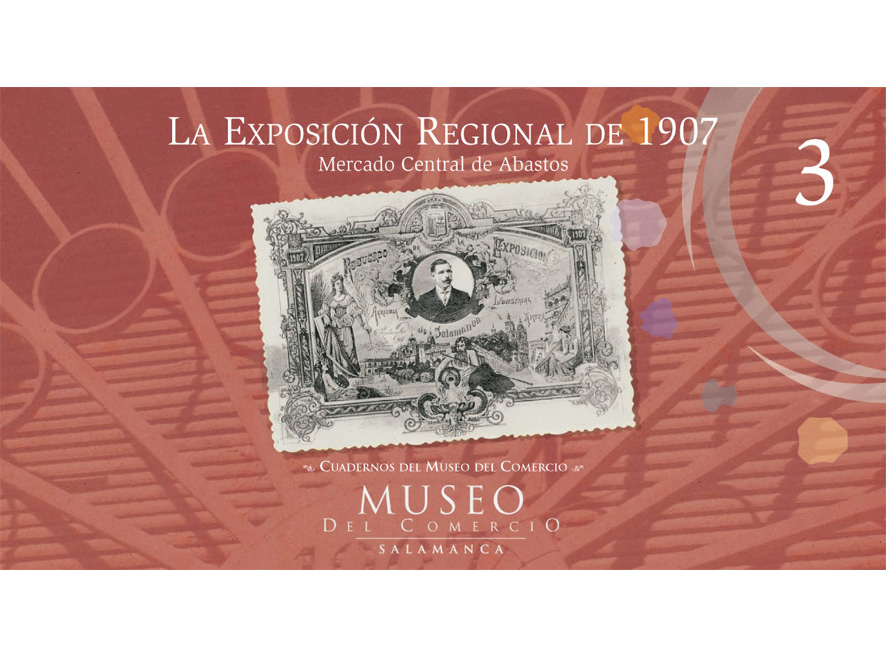
This third issue of the Cuadernos del Museo del Comercio is dedicated to the Mercado Central de Abastos, which in 2009 celebrates the centenary of its official inauguration. We wanted to pay tribute to the Market by writing about a significant event that occurred shortly after the building's complet...
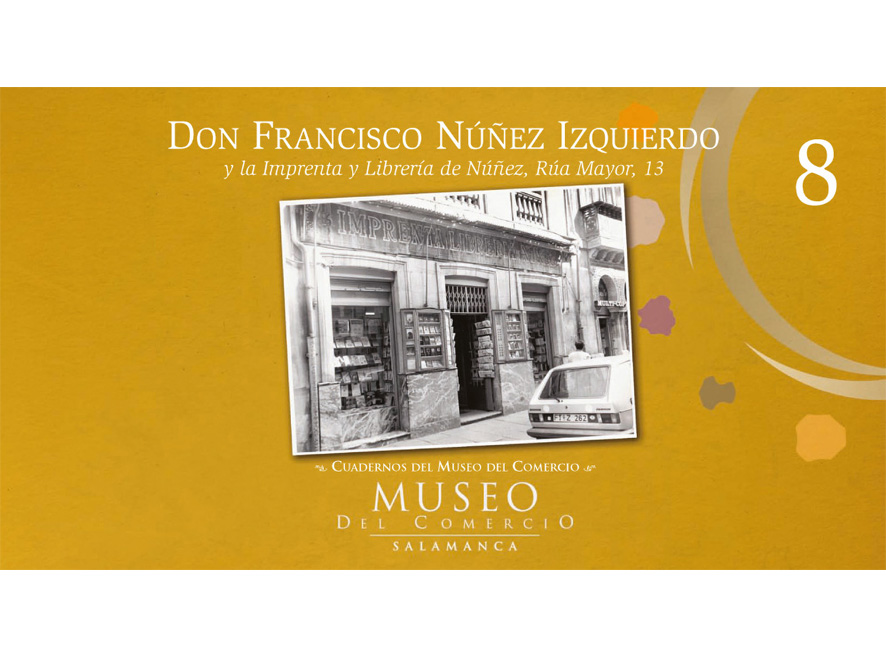
The Núñez Printing House and Bookstore, opened in 1900, operated until March 14, 2007, when it closed due to circumstances beyond its owners' control. Repeatedly re-established upon a bookselling business active since at least the 18th century, its final phase of existence, corresponding to the Núñe...
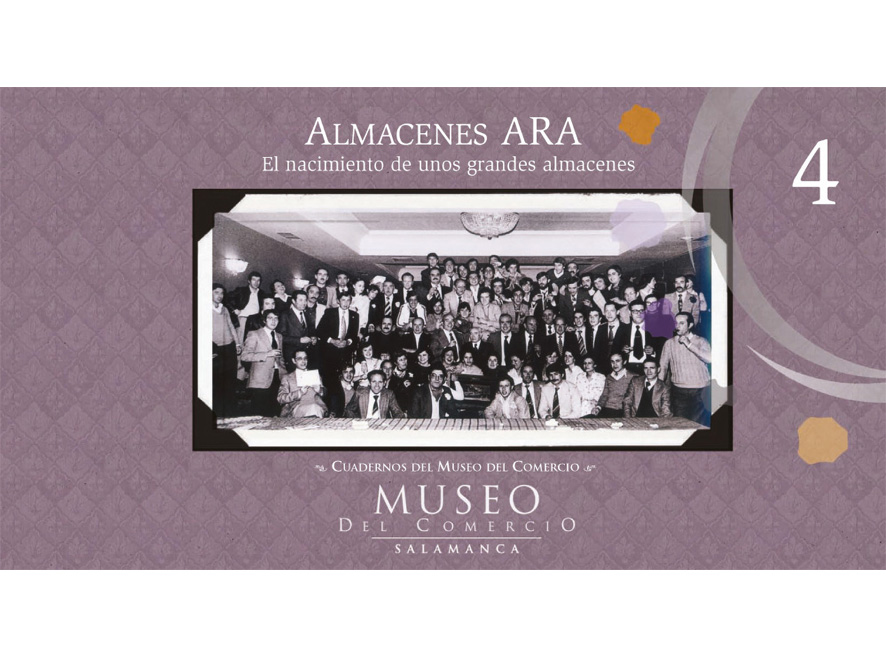
This Museum of Commerce Booklet recounts the evolution of a very particular type of retail business: ready-to-wear department stores, a way of approaching the clothing trade that brought about innovations not only in customer relations but also in business management and employee relations. Although...
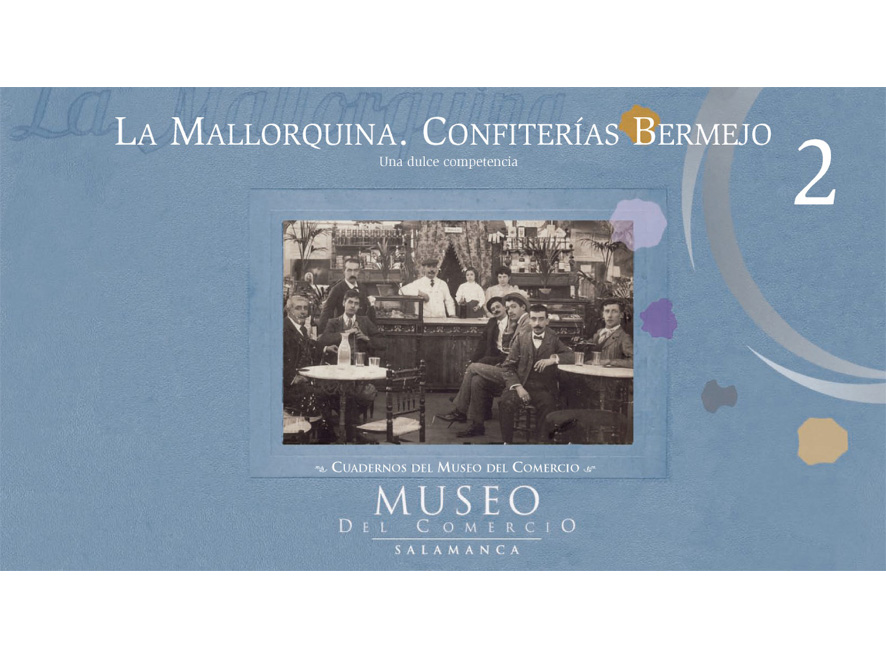
There was a time when a pastry shop called La Mallorquina opened to the public in every city across Spain. La Mallorquina of Salamanca was founded by Don Santiago Bermejo Pollo at the beginning of the 20th century. Until the 1960s, Bermejo Pollo had a street named after him in the very place where h...
This volume you hold, dear reader, is the first title in a collection that aims to honor traditional commerce in Salamanca. Each issue in the series will be a monograph dedicated to a specific business and will have been chosen, among other reasons, for its illustration of the history of our city or...
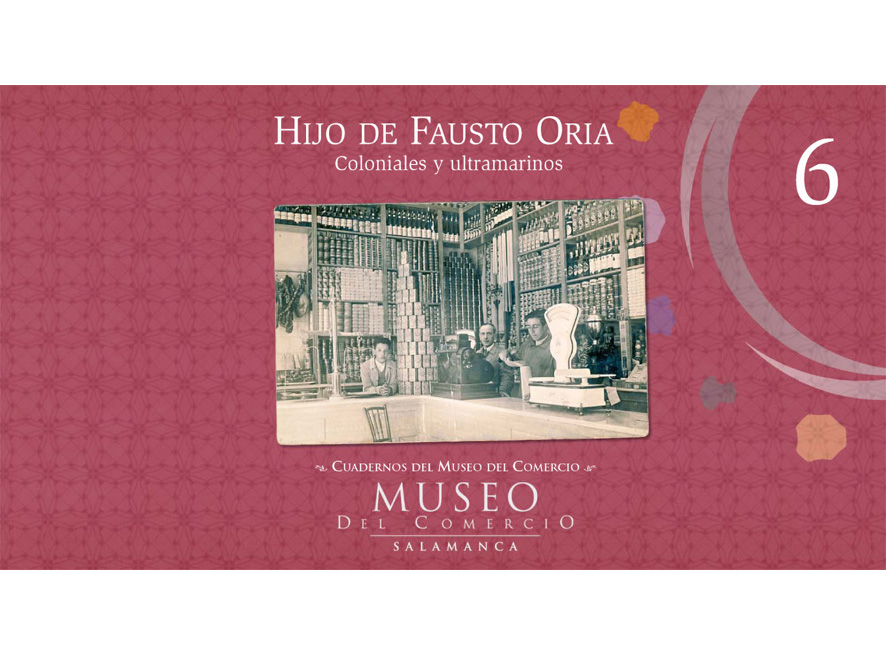
The business featured in this sixth installment of the Museum of Commerce Notebooks is still remembered by several generations of people from Salamanca, as it was open until the 1980s in the central Poeta Iglesias square (where Orejudo is now located). However, this was the last premises where the O...
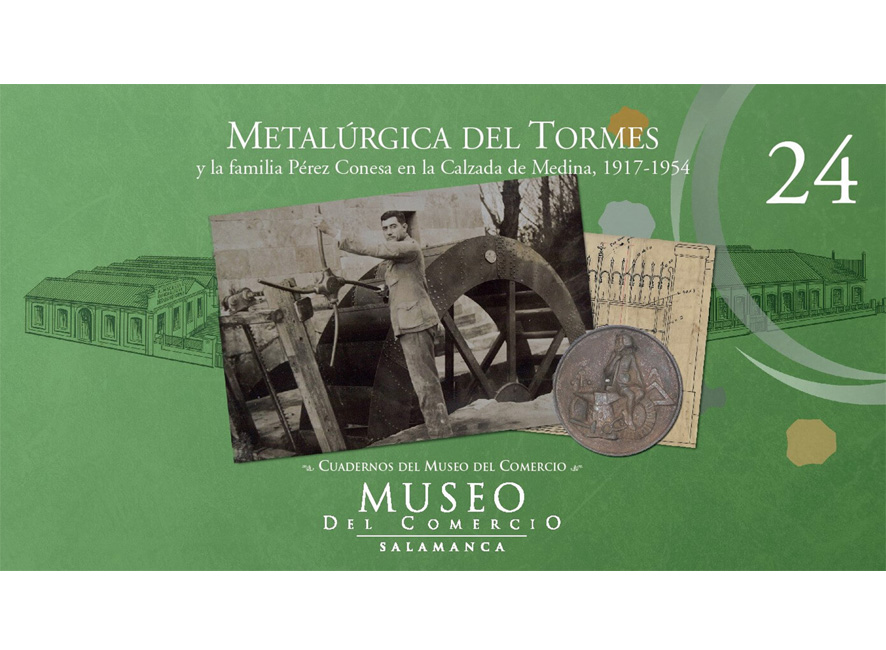
Metalúrgica del Tormes, the company was founded by the Pérez Conesa family in 1917. Along with Maculet and Moneo, it was one of Salamanca's three major foundry industries. This volume is the result of research and writing by María Ordóñez and Mark Zoder, covering the company during its time in Calza...
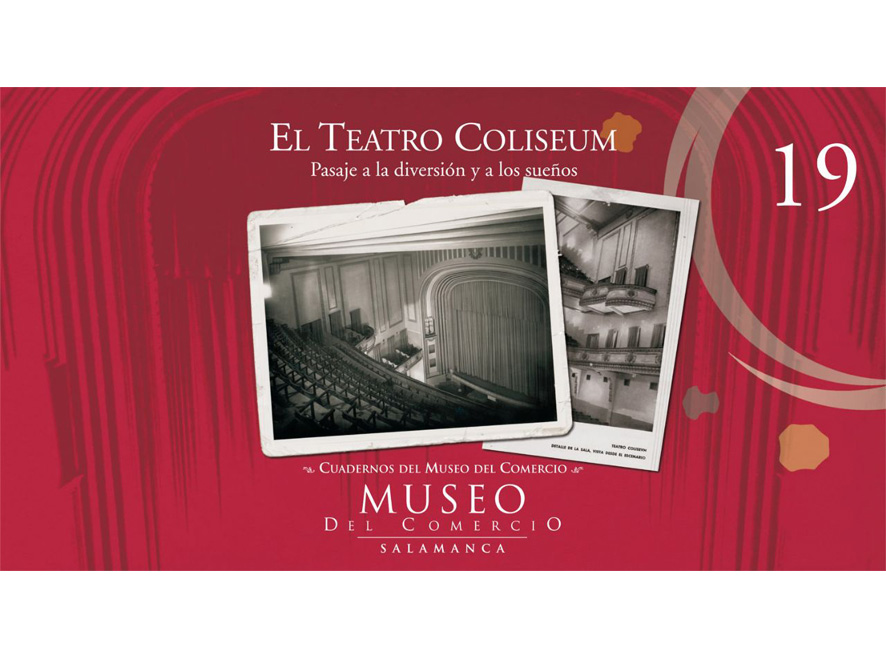
The Museum of Commerce has published a new issue in its collection dedicated to old businesses in the capital and province. This 19th installment is a monograph on the Coliseum cinema-theater, still present in the collective imagination, having (popularly) given its name to one of the passages leadi...
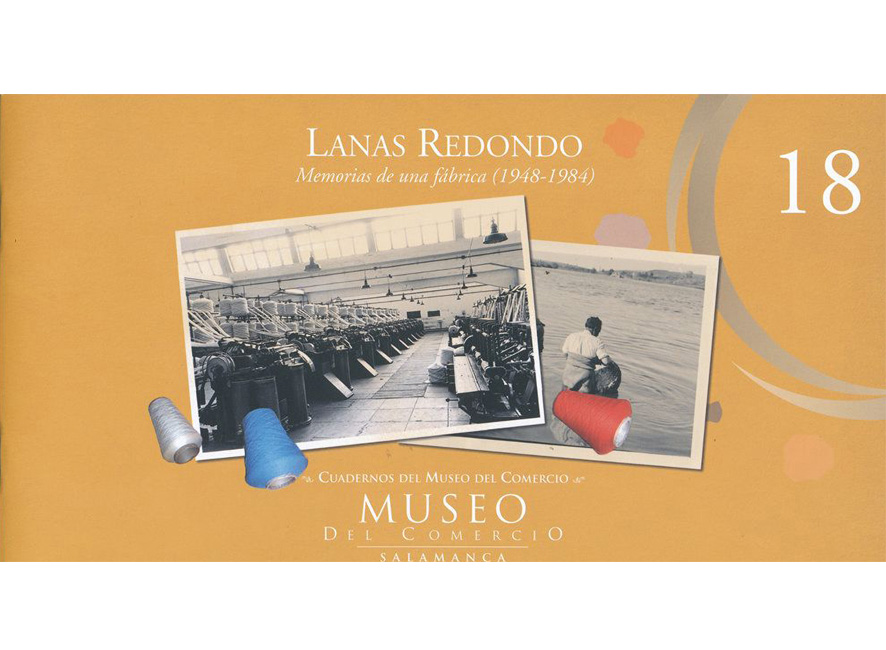
Basilio Redondo's factory was founded in 1948 and definitively closed its doors in July 1984, after nearly forty years of production. It was located in Chamberí, a neighborhood in Salamanca where factories and warehouses had proliferated since the late 19th century, around the railway station due to...
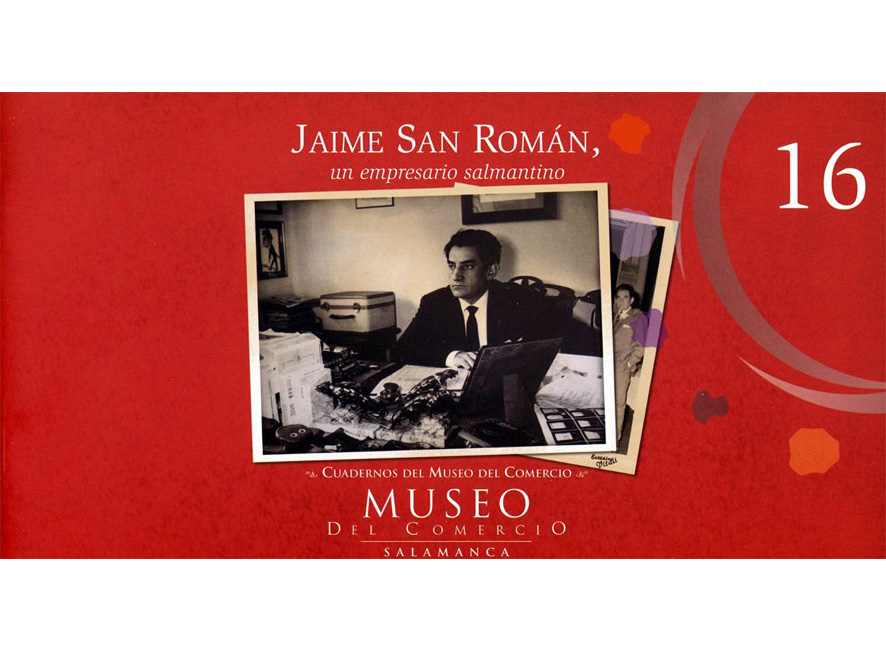
This new Notebook on the History of Commerce and Industry in Salamanca examines the figure of businessman Jaime San Román. His businesses include the founding of Niloplex or Ledesa, relevant companies in Salamanca during the second half of the 20th century. It has been authored by his son, Jorge San...
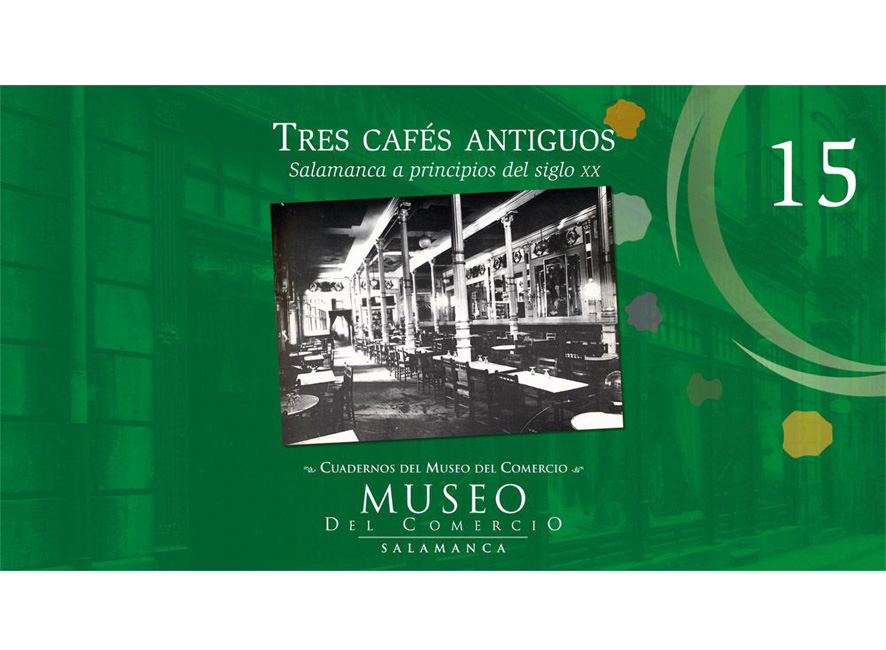
The Museum of Commerce decided to dedicate 2014 to the city's hospitality industry, a strategic business sector in Salamanca's economy intimately linked to tourism. This new volume in the collection on the history of trade and industry serves as a fitting culmination to the activities focused on thi...
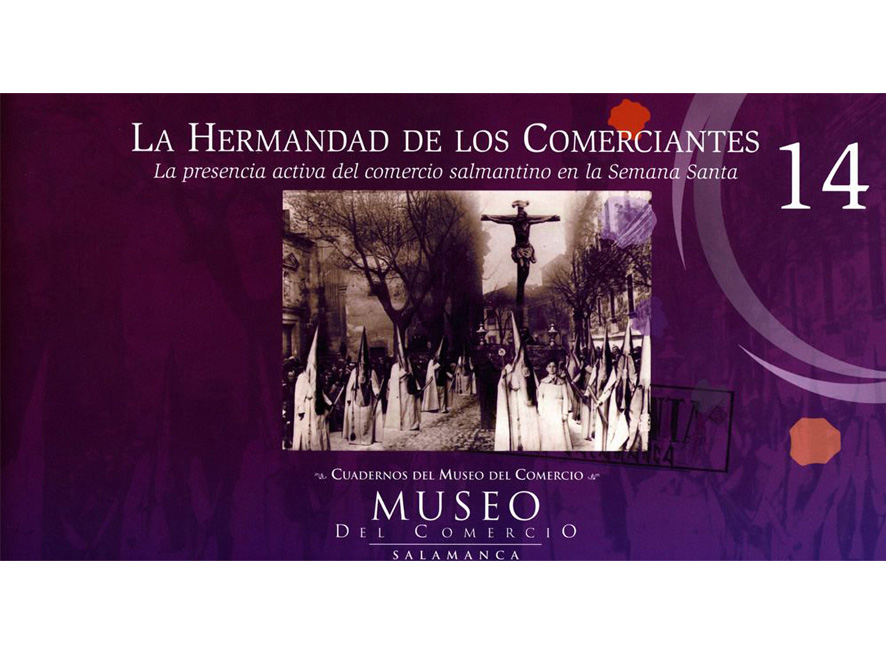
THE BROTHERHOOD OF MERCHANTS. AN ACTIVE PRESENCE OF SALAMANCA'S COMMERCE IN HOLY WEEK Javier Blázquez This 14th issue focuses on a significant commercial initiative in the city's social life: the history of the Brotherhood of Merchants. Heir to ancient guild initiatives, the Brotherhood of Merchants...
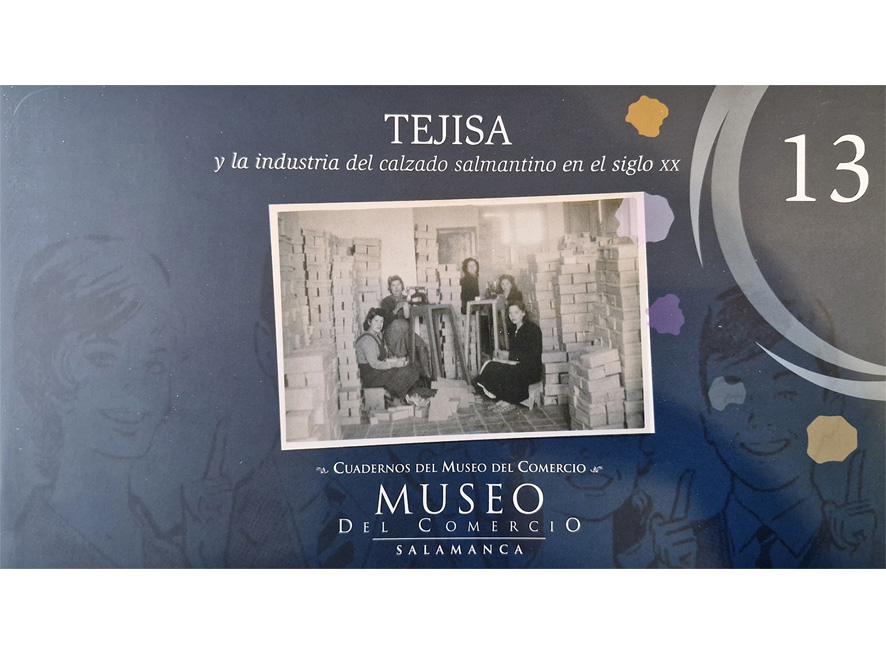
With this booklet, the Salamanca Museum of Commerce and Industry wishes to pay tribute to TEJISA, one of the most significant companies in the province during the last century, which would have celebrated eighty years of business activity in 2013. Exclusively dedicated to the footwear industry, the...
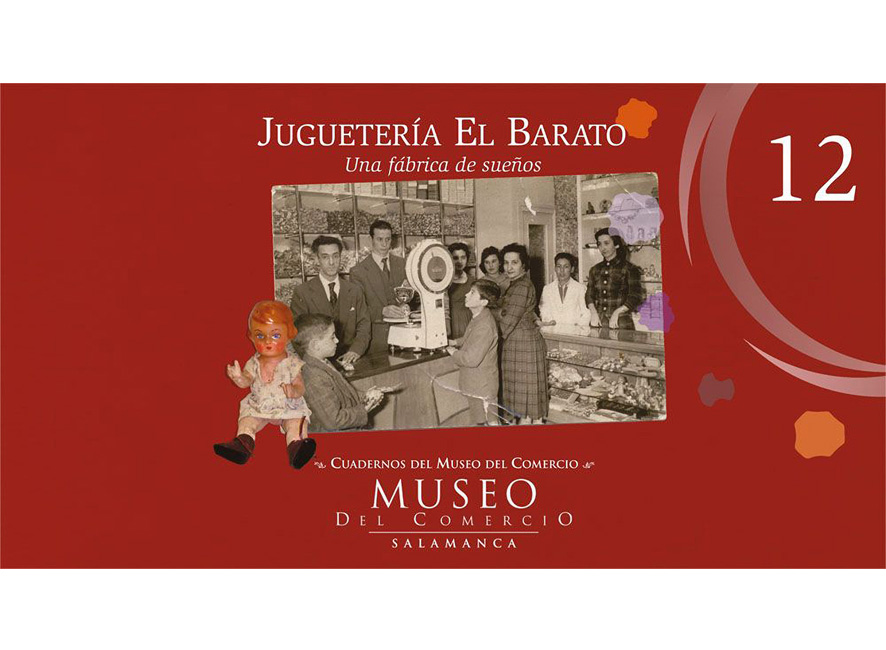
Toys are as old as mankind. However, there haven't always been specialized stores whose exclusive business was selling toys. For such establishments to become a reality, family purchasing power had to increase, a development that didn't occur in Salamanca until the 20th century. This booklet tells...
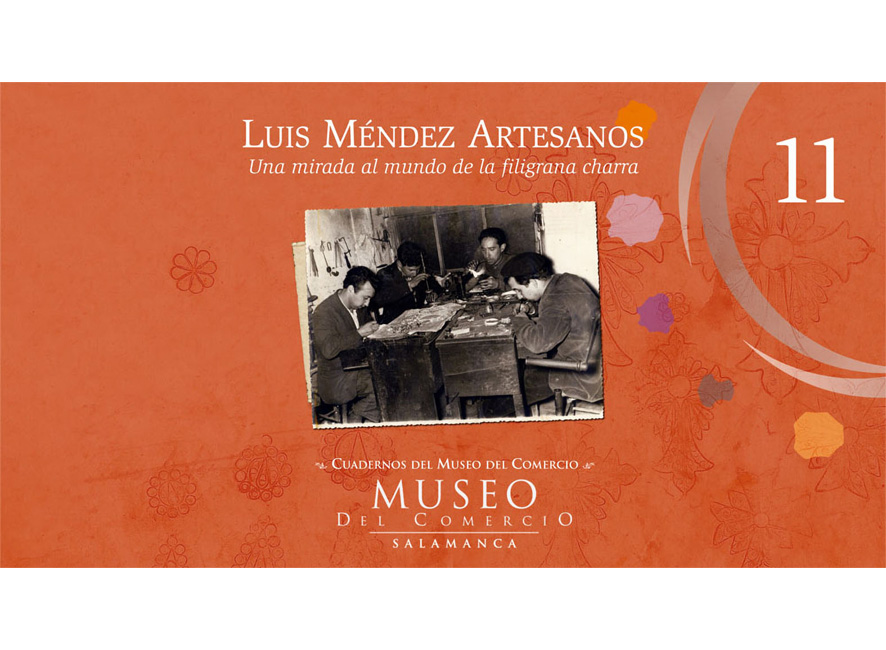
The eleventh Volume of Salamanca's History of Commerce and Industry focuses on a company dedicated to jewelry and filigree work, a tradition with deep roots in our province. Luis Méndez Artesanos, the current name of the commercial firm featured in the publication, has its roots in the Salamanca mou...
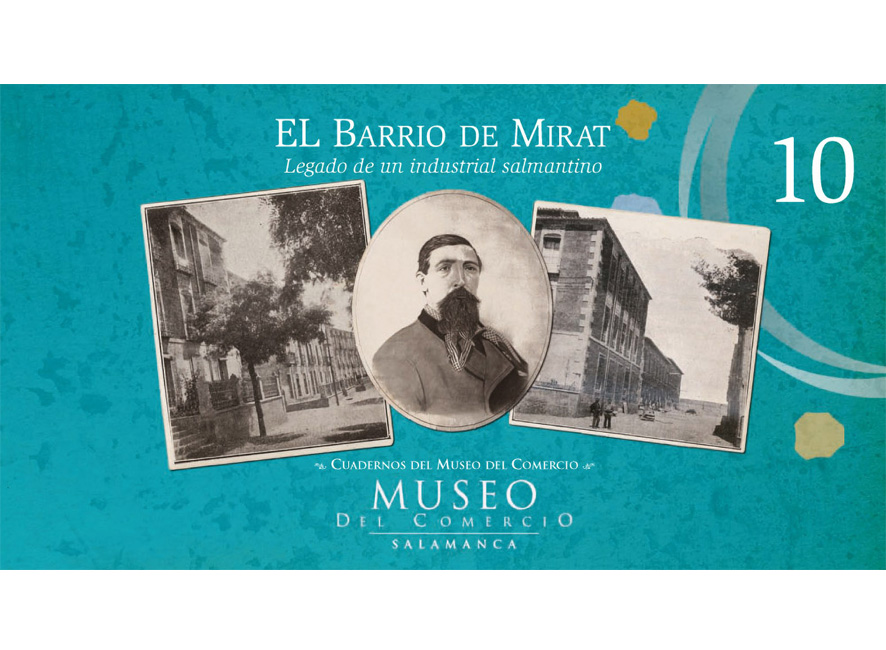
"The Mirat Neighborhood, Legacy of an Industrialist from Salamanca" is the title of the tenth volume in the collection on the history of local trade and industry published by the Museo del Comercio (Museum of Trade). Two years ago, this institution had the opportunity to access the business document...
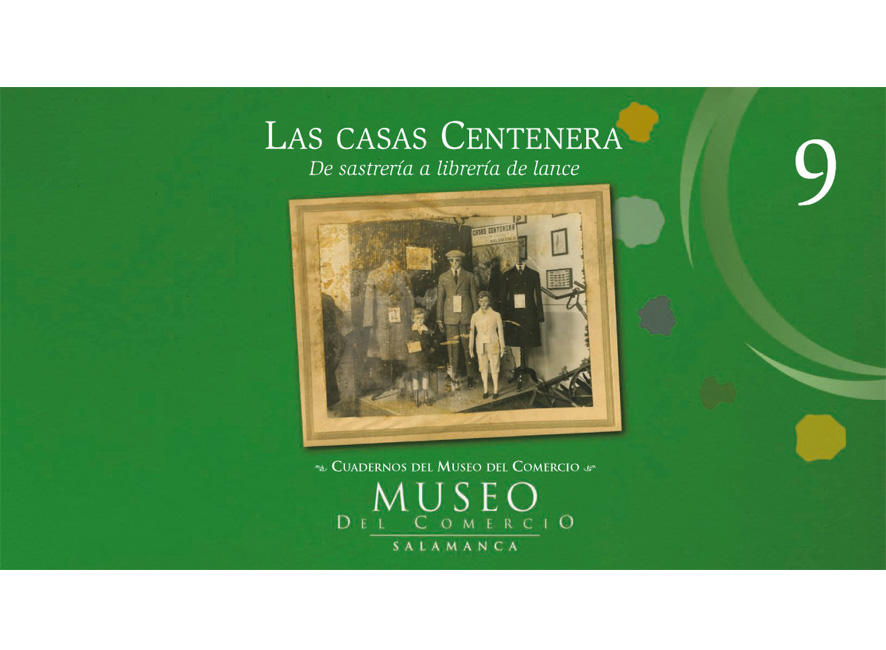
Older generations still remember the Centenera brothers, Agustín and Cipriano, who ran a second-hand bookshop in Plaza de los Bandos until the late 1980s. Distinctive for their physical appearance and subjects of numerous anecdotes, they are figures deeply rooted in the urban mythology of an era. Ho...
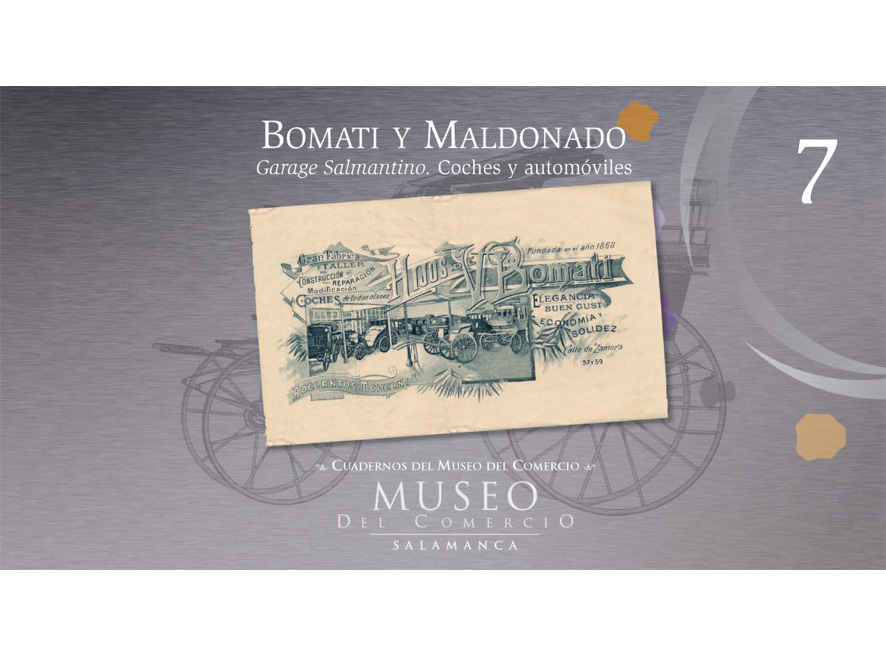
The history of the Bomati family in our city begins in the mid-19th century. From then until the Civil War, its members were active citizens of this small provincial capital which, at the beginning of the last century, barely exceeded twenty-five thousand inhabitants. In its early days, the Bomati n...
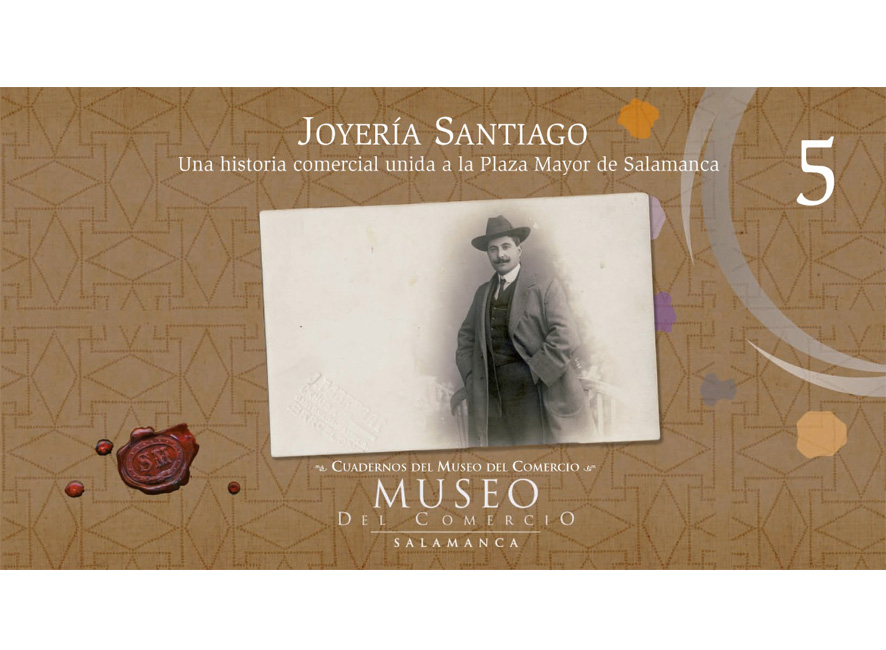
Since the late 19th century, the Plaza Mayor's commercial character has changed on several occasions. Joyería Santiago, with its original facade, embodies the essence of the city's most traditional businesses. It has successfully endured for eighty years, adapting to changes in its environment and p...
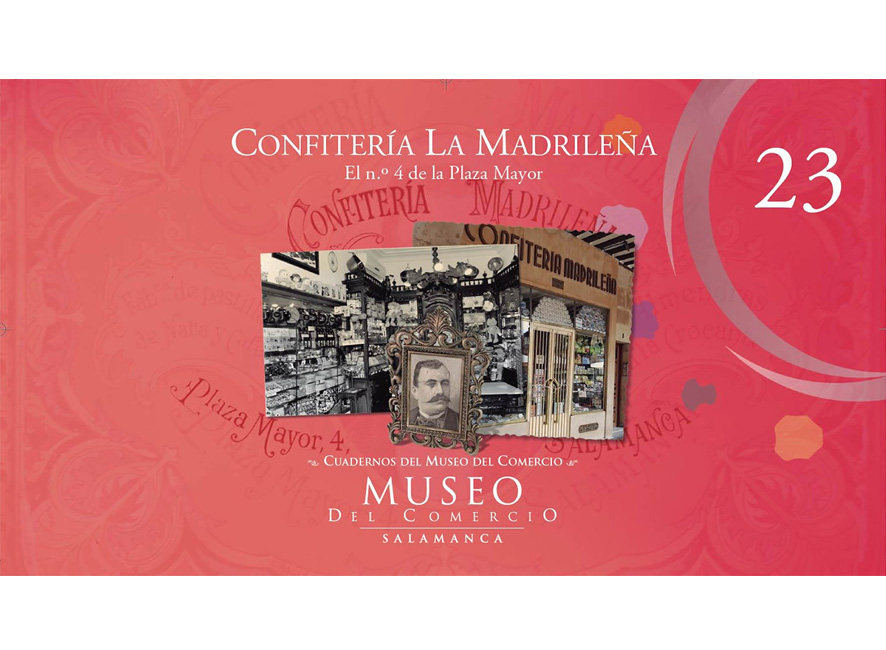
The commercial history of La Madrileña confectionery begins on Zamora street, although, before the turn of the 20th century, it was already open to the public in the Salmantine agora. It has remained in that same location to this day, showing no signs of fatigue despite having been a century-old bus...
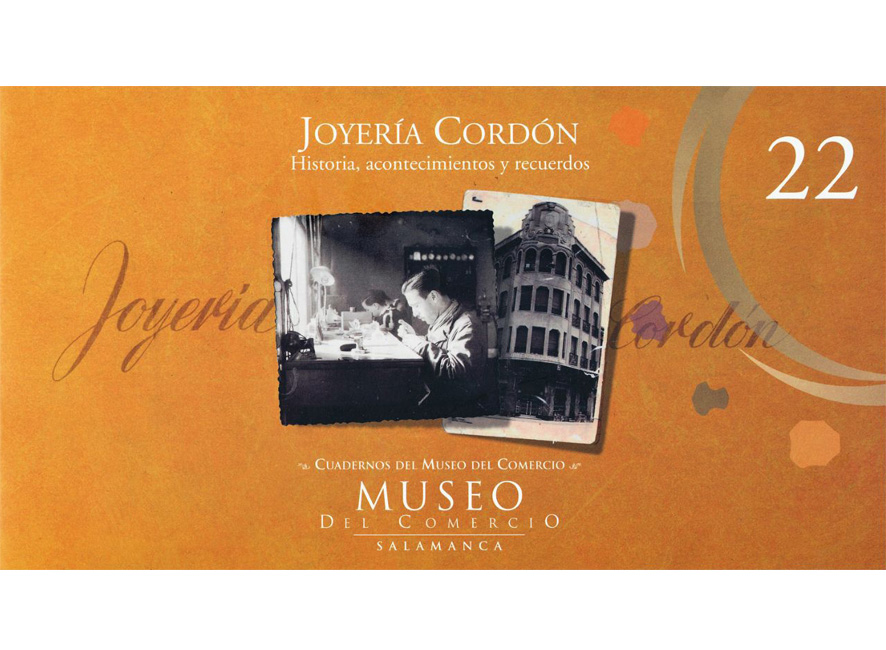
The 22nd issue of the collection published by the Museo del Comercio (Museum of Commerce), dedicated to the history of traditional businesses and industries in Salamanca, features Joyería Cordón. Jewellery has been a flourishing branch of commerce in the city for centuries. Pedro Antonio de Alarcón...
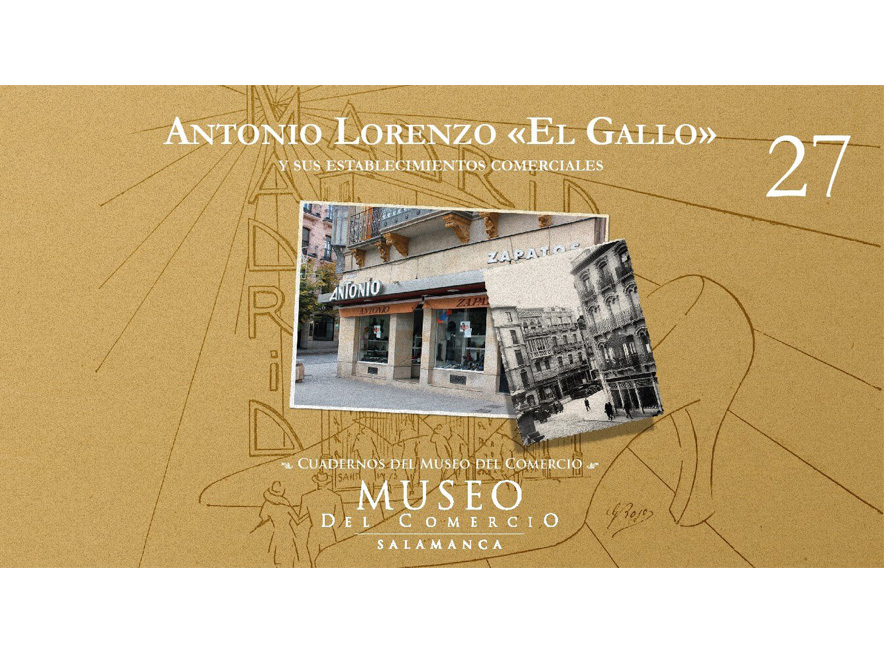
The 27th volume in this collection is dedicated to shoe merchant Antonio Lorenzo Bahía (1880-1952), nicknamed "el Gallo" (the Rooster). However, the timeline covered in its pages extends beyond the protagonist's own life, spanning from his ancestors to the present day. This extensive narrative allow...
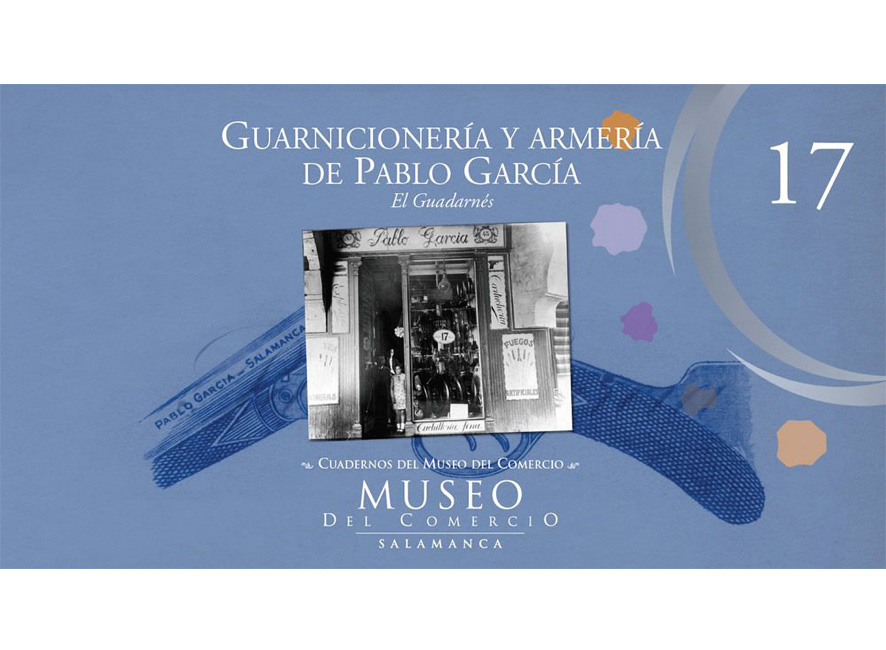
Pablo García was one of the city's oldest commercial establishments. Founded in the 19th century, it continued for the next century, managed by César Álvarez Núñez and subsequently by his children César and Julia Álvarez García, until the dawn of the 21st century when it closed to the public. This...
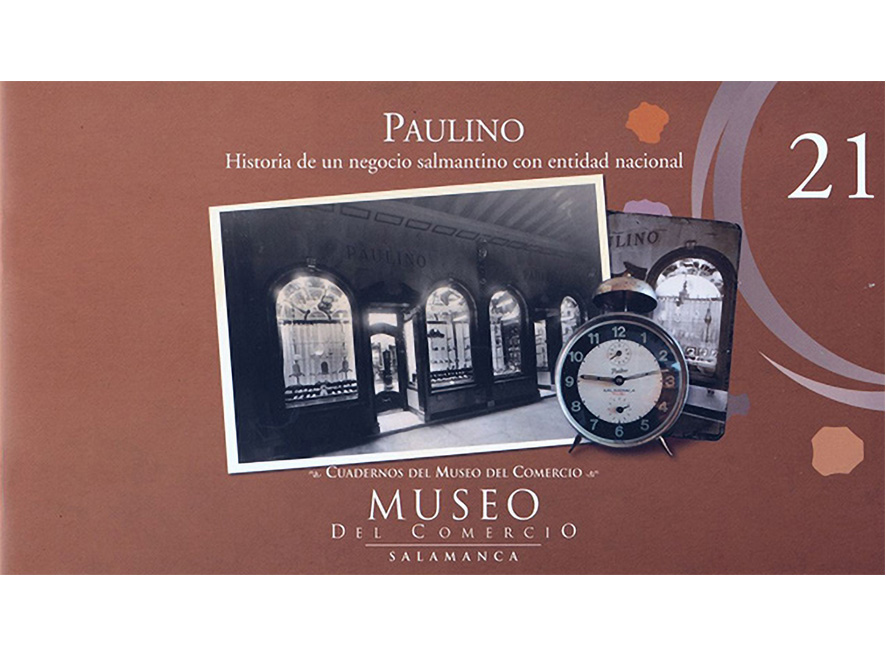
For several generations of residents of Salamanca, Paulino is a name associated with the city's commerce. Synonymous with prestige, novelty, and luxury, its historical trajectory was linked to its location, the Plaza Mayor. However, Paulino was also a company that expanded beyond Salamanca's border...
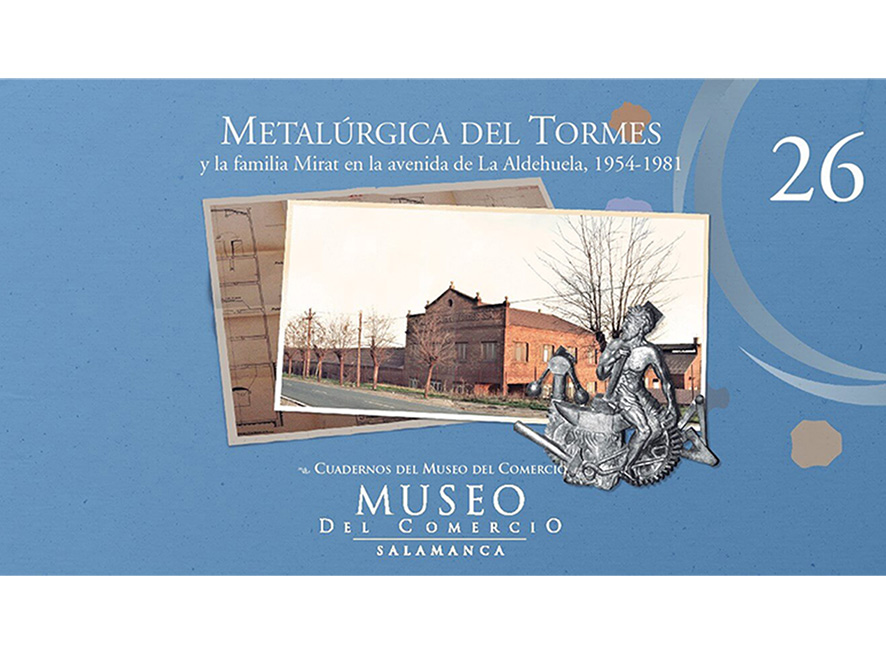
In 1954, Metalúrgica del Tormes relocated from Calzada de Medina to Avenida de la Aldehuela, becoming part of the S.A. Mirat complex. Many residents of Salamanca will surely recall the building that housed the metalworks, located opposite the former provincial prison – now Da2 – until its demolition...