

History of Commerce and Industry in Salamanca
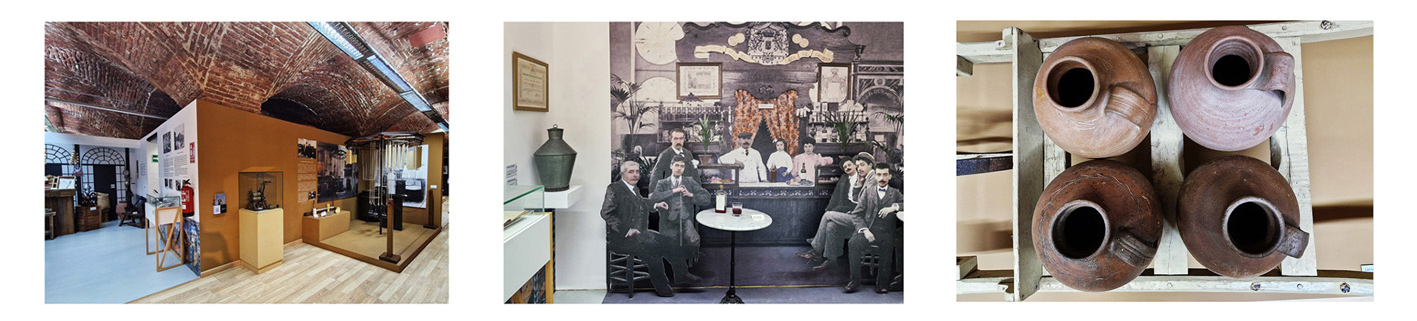
The exhibition is presented through an audiovisual that covers the milestones of Salamanca's Commercial and Industrial History from 1850 to the mid-20th century. These decades are of special interest for the modernization of cities. The arrival of the railway, electricity, and drinking water are first-order events that, along with advances and discoveries such as photography, iron architecture, chemical fertilizers, etc., help to understand the development of Salamanca and appreciate the place we inhabit.
Markets
The development of markets over time is enlightening for understanding the space and architecture of city centers. In medieval times, the market of the city of Tormes moved from the old 'azogue' or 'teso de las catedrales' (cathedral mound), passing through Rúa Mayor until reaching Plazuela de San Martín. The small squares of the historic center later served to house informal markets like those in Plaza de la Verdura, Plaza del Carbón, El Corrillo, La Libertad, etc.
 During the 19th century, the hygienist current of thought focused on improving the lives of people living in cities. Their theories were reflected in labor aspects, public health, and also urban planning. Supply markets took hygienist precepts into account in their construction by providing large windows, generous doors, water outlets for cleaning, and airy iron and glass enclosures, all for the proper treatment of perishable foods.
The Central Supply Market of Salamanca, one of the most celebrated in Castilla y León, along with the health laws and regulations of the time, can be considered precedents of the advanced food safety we enjoy today.
 Salamanca Industries and Businesses
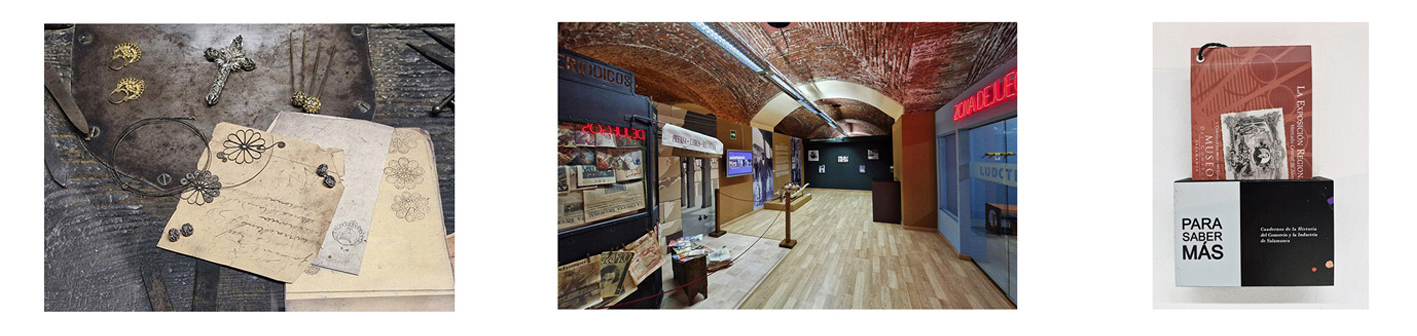
Throughout the exhibition, various pieces belonging to significant industries and businesses of Salamanca are displayed. We refer to the most important flour mills in the city: El Sur, Santa Elena, and El Ángel. Chocolate factories like those of Enrique Prieto or Jorge Espinel from Cantalapiedra. In the space dedicated to photographic studios in Salamanca, well-known surnames such as Almaraz, Huebra, Gombau, or Ansede appear. In 2017, the equipment used for the artisanal manufacture of candles by the centenary Cacho family saga was deposited and musealized. Salamanca's oldest industry, Mirat S.A., has a specific display case in our rooms; the formerly buoyant and somewhat murky history of Salamanca banking is also represented, etc.
Throughout the tour, there are interactive resources and sufficient information to learn more and make the visit both entertaining and suggestive.